

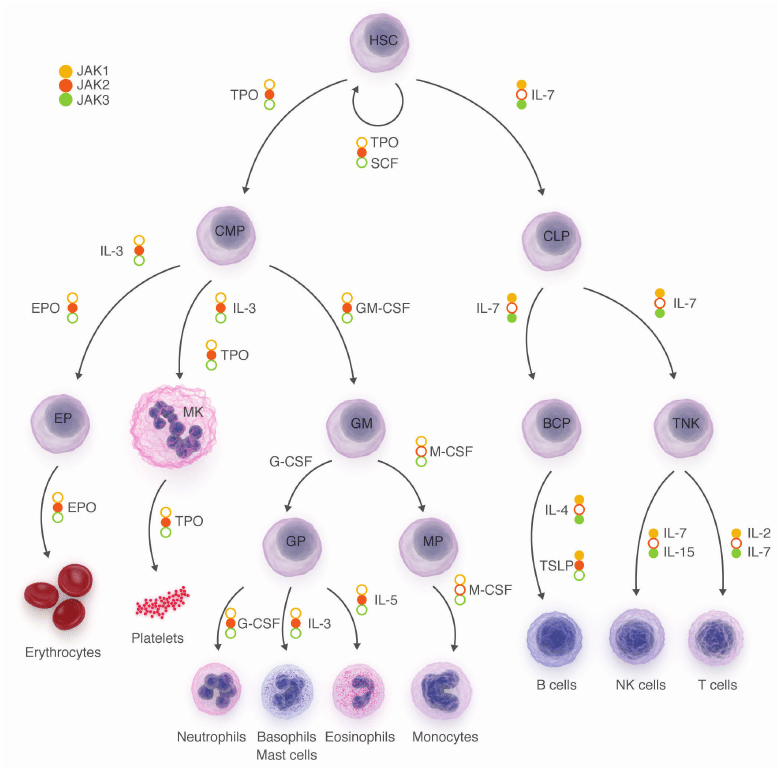
The blood is built of more than 10 different cell types. Each of these cell types downfall into one of three expansive categories:
1. Red blood cells (erythrocytes): These transport oxygen and hemoglobin ubique the body.
2. White blood cells (leukocytes): These backing the immune system. There are several few many types of white blood cells:
• Lymphocytes: Including T cells and B cells, which help fight some viruses and tumors.
• Neutrophils: These help fight bacterial and fungal infections.
• Eosinophils: These play a role in the inflammatory response, and help fight some parasites.
• Basophils: These release the histamines necessary for the inflammatory response.
• Macrophages: These engulf and digest debris, including bacteria.
3. Platelets (thrombocytes): These assistance the blood to clot.
modern research approve a theory of hematopoiesis called the monophyletic theory. This theory says that one type of stem cell produces all types of blood cells.
The three main causes of anemia are:
Blood loss
Iron-deficiency anemia is the most commonTrusted Source type of anemia, and blood loss is often the cause. A shortage of iron in the blood leads to this form of the condition, and low iron levels frequently occur as a result of blood loss.
When the body loses blood, it draws water from tissues beyond the bloodstream to help keep the blood vessels full. This additional water dilutes the blood, reducing the RBC count.
Blood loss can be acute and rapid or chronic. Some causes of rapid blood loss include surgery, childbirth, and trauma.
Chronic blood loss is more often responsible for anemia. It can result from a stomach ulcer, cancer, or another type of tumor.
Other causes of anemia due to blood loss include:
gastrointestinal conditions, such as ulcers, hemorrhoids, cancer, or gastritis
the use of nonsteroidal anti-inflammatory drugs, such as aspirin and ibuprofen
heavy menstrual bleeding
Decreased or impaired RBCs
Bone marrow is soft, spongy tissue at the center of bones, and it plays an essential role in creating RBCs. The marrow produces stem cells, which develop into RBCs, white blood cells, and platelets.
A number of diseases can affect bone marrow, including leukemia. This is a type of cancer that triggers the production of excessive and abnormal white blood cells, disrupting the production of RBCs.
Problems with bone marrow can cause anemia. Aplastic anemia, for example, occurs when few or no stem cells are present in the marrow.
In some cases, anemia results when RBCs do not grow and mature as usual, as with thalassemia — a hereditary form of anemia.
Other types of anemia that occur due to decreased or impaired RBCs include:
Sickle cell anemia
This causes RBCs to be shaped like crescents. They may break down more quickly than healthy RBCs or become lodged in small blood vessels.
This blockage can reduce oxygen levels and cause pain further down in the bloodstream.
Iron-deficiency anemia
This involves the body producing too few RBCs due to a lack of iron in the body.
Iron-deficiency anemia may develop as a result of:
a diet low in iron
menstruation
frequent blood donation
endurance training
certain digestive conditions, such as Crohn’s disease
medications that irritate the gut lining, such as ibuprofen
Vitamin-deficiency anemia
Vitamin B-12 and folate are both essential for the production of RBCs. If a person does not consume enough of either vitamin, their RBC count may be low.
Some examples of vitamin-deficiency anemia include megaloblastic anemia and pernicious anemia.
Destruction of RBCs
These cells typically have a life span of 120 daysTrusted Source in the bloodstream, but the body may destroy or remove them before they complete their natural life cycle.
One type of anemia that results from the destruction of RBCs is autoimmune hemolytic anemia. It occurs when the immune system mistakes RBCs for a foreign substance and attacks them.
Many factors can cause an excessive breakdown of RBCs, including:
infections
certain drugs, including some antibiotics
severe hypertension
vascular grafts and prosthetic heart valves
toxins produced by advanced kidney or liver disease
an autoimmune attack, due to hemolytic disease, for example
snake or spider venom
Risk factors
Anemia can occur in people of all ages, sexes, and ethnicities.
The following factors increase the risk Trusted Source of developing a form of the condition:
having been born prematurely
being between 6 months and 2 years Trusted Source old
menstruating
being pregnant and giving birth
having a diet low in vitamins, minerals, and iron
regularly taking medications that inflame the stomach lining, such as ibuprofen
having a family history of inherited anemia, such as sickle cell anemia or thalassemia
having an intestinal disorder that affects the absorption of nutrients, such as Crohn’s disease
losing blood, due to surgery or trauma.
having a chronic illness, such as AIDS, diabetes, kidney disease, cancer, rheumatoid arthritis, heart failure, or liver disease
Treatment
There is a range of treatments Trusted Source for anemia. Each aims to increase the number of RBCs, which, in turn, increases the amount of oxygen in the blood.
Below, we outline treatments for several types of anemia:
Iron-deficiency anemia: Iron supplements and dietary changes can help, and, when relevant, a doctor will identify and address the cause of excessive bleeding.
Vitamin deficiency anemia: Treatments can include dietary supplements and vitamin B-12 shots.
Thalassemia: Treatments Trusted Source include folic acid supplements, iron chelation, and, for some people, blood transfusions and bone marrow transplants.
Anemia due to chronic disease: The doctor will focus on resolving the underlying condition.
Aplastic anemia: Treatment involves blood transfusions or bone marrow transplants.
Sickle cell anemia: Treatment typically involves oxygen therapy, pain relief medication, and intravenous fluids, but it can also include antibiotics, folic acid supplements, blood transfusions, and a cancer drug called hydroxyurea Trusted Source.
Hemolytic anemia: The treatment plan may include immunosuppressant drugs, treatments for infections, and plasmapheresis, which filters the blood.
Symptoms
The most common symptom of anemia is fatigue. Other common symptoms include:
pale skin
a fast or irregular heartbeat
shortness of breath
chest pain
headaches
light-headedness
Some forms of anemia cause specific telltale symptoms, including:
Aplastic anemia: This can cause a fever, frequent infections, and skin rashes.
Folic acid deficiency anemia: This can cause irritability, diarrhea, and a smooth tongue.
Hemolytic anemia: This can cause jaundice, dark urine, a fever, and abdominal pain.
Sickle cell anemia: This can cause painful swelling in the feet and hands, as well as fatigue and jaundice.
There are many types of anemia and no single cause. In some people, it can be difficult to identify what is causing a low low RBC count.
The list of some hematopoiesis medicine: